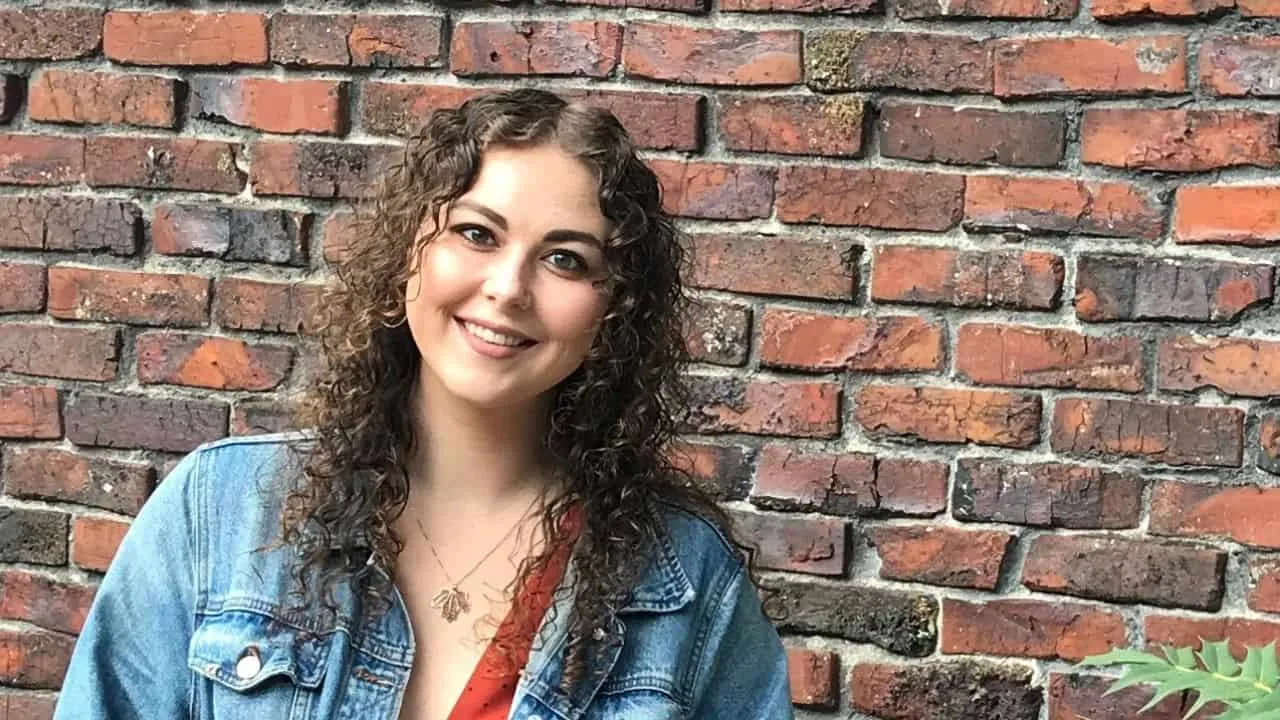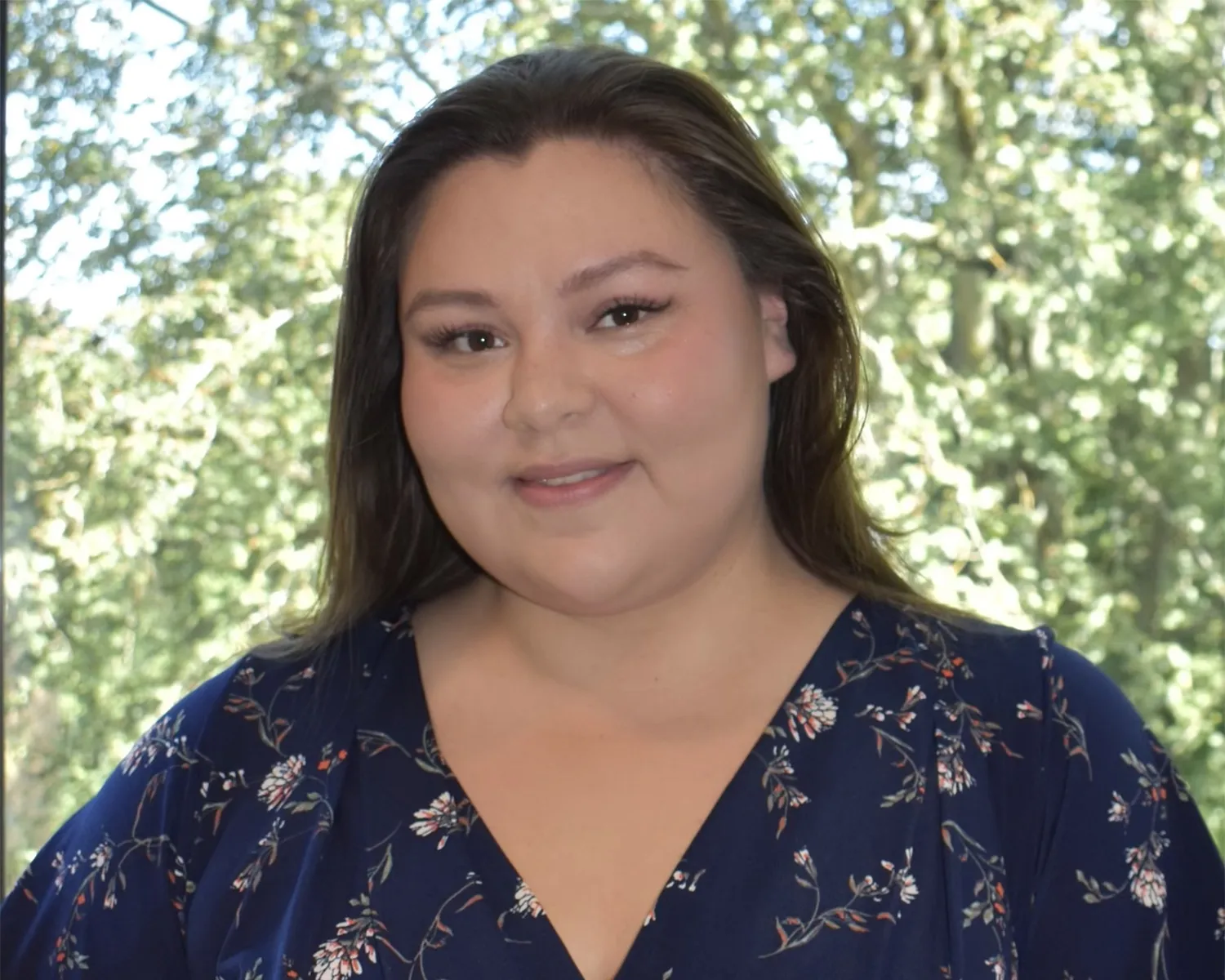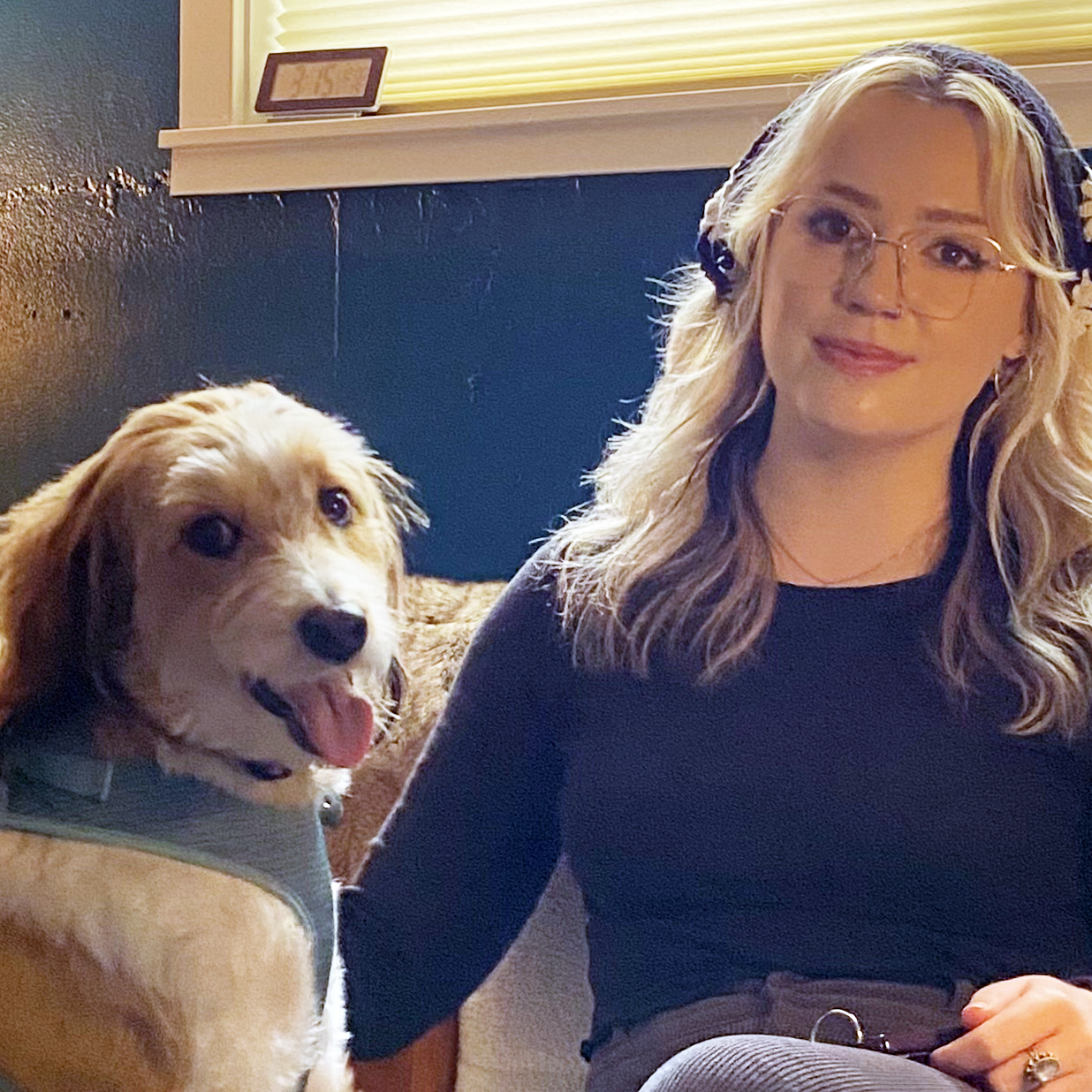
Sara Kranich, MA
Professional Counselor Associate
Drawing from my personal experience with disordered eating, I deeply understand the critical role mental health plays in overcoming life's challenges. I'm committed to helping you transform your difficulties into strengths through a trauma-informed, person-centered approach that integrates mindfulness and self-compassion.
Credentials & Professional Background
Education
- Master of Arts
- Professional Counselor Associate
- Specialized training in eating disorders
- Mindfulness-based interventions
- Trauma-informed care
Licenses & Certifications
- Professional Counselor Associate - Oregon & Washington
- Supervised by Anne Cuthbert, MA, LPC, LMHC
- Working toward full licensure
- Mindfulness and meditation training
- HAES-informed practice
Experience & Approach
- Eating disorder treatment
- Disordered eating recovery
- Personal recovery experience
- Mindfulness integration
- Trauma-informed therapy
- Person-centered care
From Personal Experience to Professional Passion: Sara's own journey with disordered eating informs her deep understanding of the challenges clients face—and the transformative power of compassionate, mindfulness-based healing.
My Treatment Approach
I provide a trauma-informed, person-centered approach that integrates mindfulness and meditation into therapy. My goal is to guide you toward self-awareness and self-acceptance, empowering you to embrace your true self with confidence. I'm committed to helping you transform your difficulties into strengths.
Therapeutic Modalities
Core Principles
My Philosophy: I advocate for body diversity and promote holistic wellness rather than focusing on weight loss. Through mindfulness and self-compassion, you'll learn to embrace your true self with confidence—transforming challenges into strengths.
Clinical Specializations
Eating Disorders & Disordered Eating
- • Anorexia Nervosa
- • Bulimia Nervosa
- • Binge Eating Disorder
- • ARFID
- • Orthorexia
- • Disordered eating patterns
- • Chronic dieting recovery
- • Body image issues
Mindfulness & Wellness
- • Mindfulness-based stress reduction
- • Meditation practices
- • Self-compassion development
- • Mind-body connection
- • Present-moment awareness
- • Emotional regulation
- • Stress management
Trauma & Mental Health
- • Trauma-informed care
- • Anxiety disorders
- • Depression
- • Life transitions
- • Identity development
- • Self-esteem issues
- • Resilience building
Holistic Wellness
- • HAES principles
- • Body diversity advocacy
- • Intuitive eating support
- • Movement for joy
- • Self-care practices
- • Work-life balance
- • Parenting while healing
Mindfulness & Meditation in Therapy
Guiding You Toward Self-Awareness and Self-Acceptance
Mindfulness and meditation aren't just practices I teach—they're woven into the fabric of how I work with clients. My passion for mindfulness extends beyond my professional life; I regularly practice meditation myself and bring that lived experience into the therapeutic space. These practices can transform your relationship with food, body, and self.
The Power of Present-Moment Awareness
Mindfulness is the practice of paying attention to the present moment with openness, curiosity, and non-judgment. In therapy, mindfulness helps you:
Become Aware Without Judgment:
- • Notice thoughts without believing every thought is true
- • Observe emotions without being overwhelmed by them
- • Recognize body sensations without automatically reacting
- • See eating disorder behaviors as patterns, not identity
- • Witness the critic voice without giving it power
Break Automatic Patterns:
- • Create space between urge and action
- • Respond rather than react to triggers
- • Make conscious choices around food and body
- • Recognize when you're on autopilot
- • Develop new, healthier responses
Cultivate Self-Compassion:
- • Treat yourself with kindness during difficult moments
- • Acknowledge suffering without adding self-criticism
- • Recognize that imperfection is part of being human
- • Extend to yourself the compassion you'd give a friend
- • Build a gentler internal voice
Mindfulness isn't about emptying your mind or achieving perfect calm—it's about being present with whatever arises, including discomfort, with compassion and curiosity.
Practical Meditation Tools
I integrate various meditation practices based on your needs and preferences:
Body Scan Meditation:
Systematically bring awareness to different parts of your body, reconnect with body sensations, and develop interoceptive awareness.
Practice for eating disorders: Reconnecting with hunger and fullness cues
Breath Awareness Meditation:
Use breath as an anchor to the present moment, calm the nervous system, and create space between stimulus and response.
Practice for eating disorders: Managing urges and cravings
Loving-Kindness Meditation (Metta):
Cultivate feelings of warmth and care toward yourself and others, counter harsh self-criticism, and build positive emotions.
Practice for eating disorders: Body acceptance and self-love
Mindful Eating Practices:
Eat with full attention, notice taste and texture, and recognize hunger and fullness without fear.
Practice for eating disorders: Rebuilding a peaceful relationship with food
Walking Meditation:
Bring mindfulness to movement and connect with your body in motion.
Practice for runners: Joyful movement vs. compulsive exercise
You don't need prior meditation experience—we'll start where you are and build skills gradually.
Mindfulness as a Path to Freedom
Research shows mindfulness is highly effective for eating disorder recovery. Here's why:
Reduces Binge Eating: Creates pause between urge and action, helps you 'surf the urge' rather than immediately react
Decreases Body Dissatisfaction: Shifts from judging body to observing body with curiosity
Improves Emotional Regulation: Increases capacity to tolerate difficult emotions without using food to cope
Enhances Self-Compassion: Counters shame and self-criticism, provides an alternative to perfectionism
Reconnects You with Body Wisdom: Restores trust in hunger and fullness cues, rebuilds body trust
In Our Work Together:
I'll guide you through mindfulness practices in session and help you build a personal practice that fits your life. Whether you have three minutes or thirty, we'll find practices that work for you.
My Personal Practice:I don't just teach mindfulness—I live it. I regularly practice meditation, bringing authenticity and lived experience to this work. When I guide you through practices, I'm sharing something that has transformed my own life and recovery.
A Personal Understanding
Drawing from my personal experience with disordered eating, I deeply understand the critical role mental health plays in overcoming life's challenges. This isn't just clinical knowledge for me—it's lived experience.
I know what it's like to struggle with food, to feel controlled by disordered eating thoughts, to battle the internal critic that tells you you're not enough. I know the exhaustion of constantly thinking about food, weight, and body. I know the isolation that comes from feeling like no one understands.
I also know that recovery is possible—and that mental health support is absolutely critical to that recovery.
What My Experience Brings to Our Work:
I understand the nuances that textbooks can't teach—the shame, the secrecy, the fear of letting go of behaviors that feel protective. I know what it takes to transform difficulties into strengths, because I've done it myself.
I won't minimize your struggles or offer simplistic solutions. I know recovery isn't linear, and I'll be with you through the ups and downs. I've been in those difficult moments, and I've found my way through—not to perfection, but to freedom and peace.
My Commitment to You:
I'm committed to helping you transform your difficulties into strengths. Through mindfulness, self-compassion, and trauma-informed care, you can move from struggle to acceptance—from fighting your body to embracing your true self with confidence.
You don't have to do this alone. I'll walk alongside you with the empathy that comes from someone who truly understands, and the professional expertise to guide your healing.
— Sara
Health At Every Size & Body Diversity
Promoting Holistic Wellness, Not Weight Loss
I incorporate the Health at Every Size (HAES) model into my practice, advocating for body diversity and promoting holistic wellness rather than focusing on weight loss. HAES is not just a clinical framework—it's a social justice commitment to respect and dignity for all bodies.
What HAES Means in Our Work
Weight Inclusivity:
Respect and acceptance for all body sizes, no weight loss goals, understanding that health exists across the weight spectrum
Health Enhancement:
Focus on behaviors that support well-being, not weight change. Encourage eating for nourishment and pleasure.
Respectful Care:
You will never be weighed without consent. No diet advice or weight loss recommendations.
Eating for Well-Being:
Support intuitive eating principles, honor hunger and fullness cues, give yourself permission to eat all foods
Life-Enhancing Movement:
Movement for joy, energy, and mental health—not calorie burning. Celebrating what your body can do.
Advocating for All Bodies
Bodies Naturally Come in Different Sizes:
Genetic diversity means humans naturally vary. Set point weight theory: Your body has a natural weight range it defends.
Diet Culture Causes Harm:
95% of diets fail long-term (the problem is diets, not you). Weight stigma is a major stressor affecting health.
All Bodies Deserve Respect:
Fat bodies deserve the same respect as thin bodies. Your worth is not determined by your body size.
Holistic Wellness Over Weight:
Mental health is health. Social connections and community support are health factors. Weight is not a behavior.
In Our Work Together:
I will never suggest weight loss or imply your body needs to change. We'll focus on behaviors that genuinely support your well-being.
Body Diversity is Natural: Just as humans come in different heights, hair colors, and facial features, we also naturally come in different body sizes. My practice celebrates this diversity and rejects the harmful notion that only certain bodies are acceptable.
What to Expect in Sessions
Your First Appointment
We'll explore what brings you to therapy, your relationship with food and body, and what you hope to achieve. I'll introduce mindfulness practices and explain how we'll work together. This is a collaborative, judgment-free conversation.
Regular Therapy
Sessions are typically 50-60 minutes, weekly or bi-weekly. We'll integrate mindfulness practices, process emotions, challenge disordered thoughts, and build self-compassion—all at your pace. Expect both talking and experiential practices.
Trauma-Informed & Person-Centered
I provide a safe, non-judgmental space where you can explore difficulties and transform them into strengths. You'll be empowered to embrace your true self with confidence—guided by mindfulness and self-compassion.
Life in the Pacific Northwest
Originally from San Diego, I relocated to the Pacific Northwest in 2018, and I've fallen in love with this region. The lush forests, the mountains, the rain—there's something grounding and peaceful about the Pacific Northwest that resonates deeply with me and my mindfulness practice.
I'm an avid runner and enjoy training for 5K and half-marathon events with my husband and our three young boys. Running has become a form of moving meditation for me—a way to connect with my body, clear my mind, and practice being present. It's also a family activity we share, teaching my sons about joyful movement and body respect from an early age.
My passion for mindfulness extends far beyond my professional life. I regularly practice meditation—it's not just something I teach, but something I live. Mindfulness grounds me as a therapist, a partner, and a mother. It helps me stay present with my family, manage stress, and maintain balance in a busy life with three young children.
I also find creative expression through playing music. Whether it's sitting down at the piano or picking up a guitar, music is another form of mindfulness for me—a way to be fully present, express emotions, and find joy in the moment.
As a mother of three boys, I understand the challenges of balancing self-care with caregiving responsibilities. I know what it's like to try to practice self-compassion while managing the demands of parenting. This lived experience informs how I work with clients who are parents—I get it, and we'll find ways to integrate wellness practices into your real, busy life.
I share these personal details because authenticity is important to me. I want you to see me as a whole person who practices what I teach—someone who understands the challenges of real life and has found practices that genuinely help.
I look forward to walking alongside you on your journey to self-awareness, self-acceptance, and freedom.
Begin Your Journey to Self-Acceptance
I'm currently accepting new clients for individual therapy in Portland, Vancouver, and via telehealth throughout Oregon and Washington. Whether you're struggling with disordered eating, seeking mindfulness-based support, or ready to embrace your true self with confidence, I'm here to guide you with compassion and understanding.
Email: [email address] | Portland & Vancouver Offices | Telehealth: OR & WA