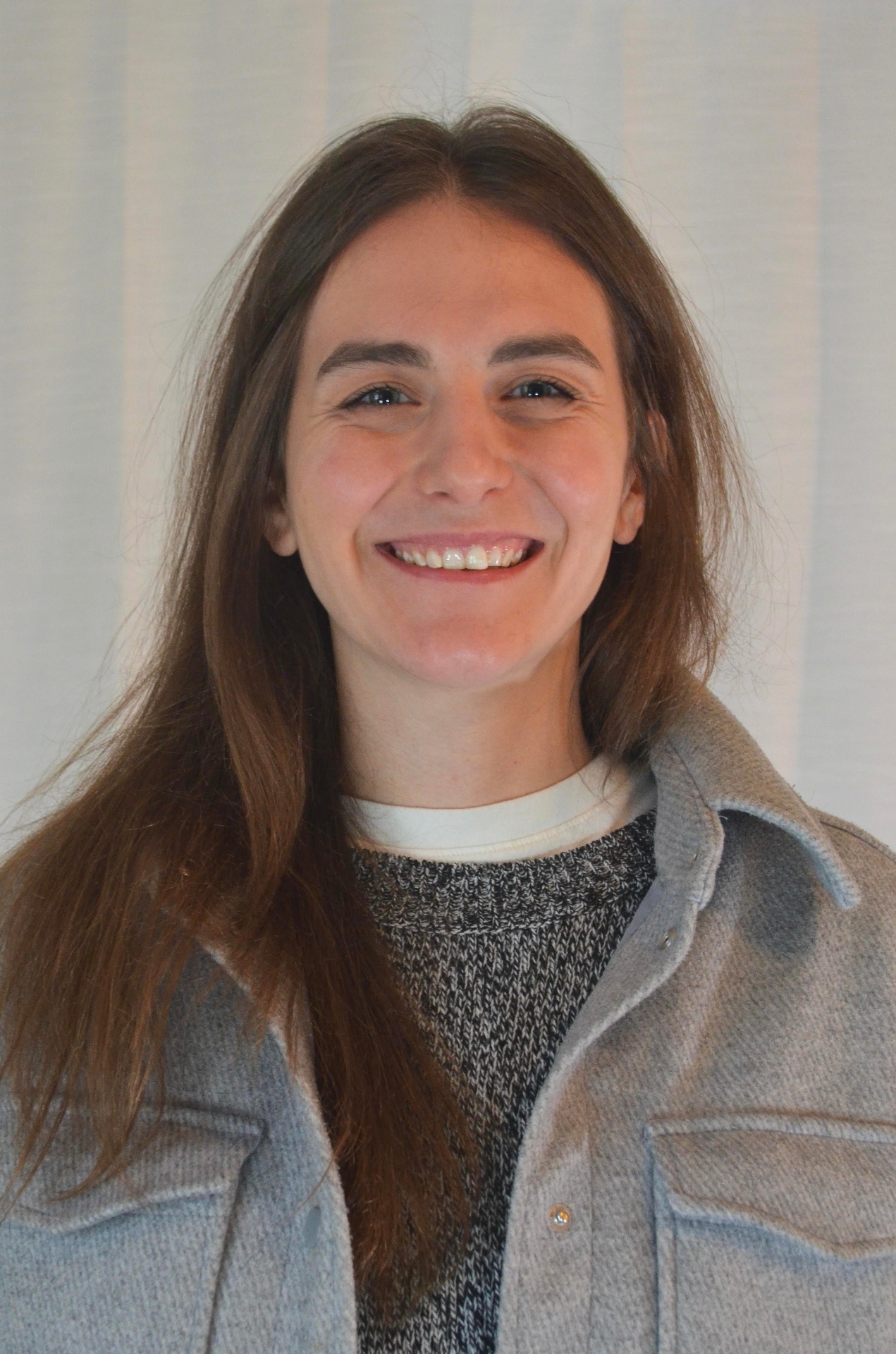
Annie Calhoun Randall, MA
Professional Counselor Associate | Certified Nutrition Therapy Practitioner | Athlete Specialist
As a life-long athlete and someone who personally recovered from an eating disorder, I understand the journey from struggle to freedom. Combining my background in nutrition therapy, counseling, and athletics, I offer a holistic, body-centered approach to recovery. In addition, I work with co-occurring concerns such as anxiety, depression, trauma, and identity development. In doing so, I seek to create a safe space where you can improve your relationship with food and body.
Credentials & Professional Background
Education
- Master of Arts in Counseling
- Western Seminary
- Certified Nutrition Therapy Practitioner
- Nutrition Therapy Institute, Denver
- Bachelor of Architecture
- University of Oregon
- Professional Counselor Associate
Licenses & Certifications
- Professional Counselor Associate - Oregon & Washington
- Certified Nutrition Therapy Practitioner (CNTP)
- Former Certified Personal Trainer (CPT)
- Supervised by Anne Cuthbert, MA, LPC, LMHC
- Working toward full licensure (LPC/LMHC)
- Practicum/Internship: A New Day Counseling Center & Body Expressions
Experience
- Nearly 6 years coaching experience
- Eating disorder treatment specialist
- Nutrition therapy background
- Lifelong athlete and former coach
- Personal recovery experience
- Holistic, body-centered approach
Unique Combination: Annie brings together nutrition science, counseling expertise, athletic experience, and personal recovery, creating a comprehensive approach to eating disorder treatment that addresses body, mind, and spirit.
My Treatment Approach
My approach is attachment-based, trauma-informed, and person-centered. I take a holistic view, understanding that humans do not live in a vacuum—our social environment shapes our thoughts, feelings, and behaviors. I seek to come alongside my clients with empathy and compassion, honoring both body and mind in the healing process.
Therapeutic Modalities
Core Principles
Social Justice Lens: I understand that our relationships with food and body are influenced by systemic factors including diet culture, weight stigma, societal expectations, other systems of oppression, and more. My approach addresses these broader contexts while supporting your individual healing.
Clinical Specializations
Eating Disorders & Nutrition
- • Anorexia Nervosa
- • Bulimia Nervosa
- • Binge Eating Disorder
- • ARFID
- • Orthorexia
- • Relative Energy Deficiency in Sport (RED-S)
- • Disordered eating patterns
- • Nutrition therapy integration
Athletes & Performance
- • Athlete-specific eating disorders
- • Performance anxiety
- • Body image in sports
- • Overtraining and under-fueling
- • Post-athletic identity transitions
- • Coach relationships
- • Sport-specific pressures
Trauma & Emotional Work
- • Religious trauma
- • Complex trauma (C-PTSD)
- • Attachment wounds
- • Anxiety disorders
- • Depression
- • Somatic trauma release
- • Emotional regulation
- • Spiritual integration
Body & Identity
- • Body image issues
- • Body dysmorphia
- • Identity development
- • LGBTQIA+ identity affirmation
- • Adolescents and adults
- • Self-esteem and self-worth
- • Life transitions
- • Career changes
Working with Athletes
Understanding the Unique Challenges Athletes Face
I have a special interest in working with athletes. As a lifelong athlete and former coach, I understand the additional challenges that athletes face and the ways in which these challenges can impact one's relationship with food and body. The intersection of athletic performance, body expectations, and eating disorders requires specialized understanding. I bring both professional training and lived experience to this work.
Unique Risk Factors for Athletes
Athletes face specific pressures that increase eating disorder risk:
Sport-Specific Pressures
- • Weight requirements or 'ideal' body types for certain sports
- • Performance metrics tied to body composition
- • Aesthetic components (gymnastics, figure skating, dance)
- • Weight class sports (wrestling, rowing, martial arts)
- • Endurance sports and energy availability concerns
Athletic Culture Factors
- • Coach comments about weight or appearance
- • Team weigh-ins and body composition testing
- • Comparison with teammates
- • 'No pain, no gain' mentality that ignores body signals
- • Identity entirely wrapped up in athletic performance
RED-S (Relative Energy Deficiency in Sport)
- • Under-fueling for training demands
- • Menstrual irregularities or loss
- • Bone density issues and stress fractures
- • Decreased performance despite increased training
- • Compromised immune function
Many athletes don't recognize they have an eating disorder because the behaviors are normalized or even praised in athletic contexts.
My Athletic Background & Insight
As a lifelong athlete and former coach, I get it. I understand:
The Athletic Mindset
- • The drive for excellence and perfectionism
- • How training becomes both passion and compulsion
- • The fear of losing your edge if you change your approach
- • The identity crisis when injury or recovery sidelines you
- • The pressure to perform for coaches, teammates, and yourself
Coaching Dynamics
- • How coach relationships impact body image and eating
- • The vulnerability of receiving feedback about your body
- • When coaching crosses the line into harmful territory
- • How to navigate difficult conversations with coaches
- • The power dynamics in coach-athlete relationships
The Recovery Challenge
- • Fear that proper fueling will hurt performance (it won't—it helps)
- • Concern about weight changes during recovery
- • Learning to listen to body signals instead of training plans
- • Maintaining athletic identity during eating disorder recovery
- • Finding balance between healthy training and compulsion
I won't ask you to give up your sport—I'll help you find a healthier relationship with both athletics and your body.
Treatment Approach for Athletes
Working with athletes requires a specialized approach:
Nutrition Integration
- • Combining counseling with nutrition therapy knowledge
- • Understanding sport-specific fueling needs
- • Addressing RED-S and energy availability
- • Working with sports dietitians when appropriate
- • Education about performance nutrition vs. diet culture
Body-Centered Work
- • Somatic Experiencing to reconnect with body signals
- • Distinguishing between athletic pain and injury
- • Rebuilding trust with your body's hunger and fatigue cues
- • Addressing overtraining and burnout
- • Finding joyful movement beyond structured training
Identity Work
- • Exploring who you are beyond your sport
- • Preparing for transitions (retirement, injury, graduation)
- • Building self-worth not tied to performance
- • Developing life balance and interests outside athletics
Practical Support
- • Navigating team environments during recovery
- • Communicating with coaches about your needs
- • Handling social eating situations with teams
- • Managing competition anxiety without food restriction
- • Return-to-sport planning after eating disorder treatment
Whether you're currently competing, transitioning out of sport, a former athlete, or dealing with a career-ending injury, I understand the unique emotional landscape of athletic life.
You Don't Have to Choose:
Many athletes fear they must choose between their sport and recovery. The truth is, proper fueling and a healthy relationship with food will make you a better athlete—not a worse one. Let's find that balance together.
Body-Centered Healing
Integrating EFIT, Somatic Experiencing, and IFS
My approach is informed by three primary body-centered modalities: Emotion Focused Individual Therapy (EFIT), Somatic Experiencing (SE), and Internal Family Systems (IFS). These approaches honor the wisdom of the body and recognize that healing happens not just in the mind, but in the body as well.
Emotion Focused Individual Therapy (EFIT)
EFIT is an attachment-based approach that helps you access, process, and transform core emotions.
Through EFIT, we will:
- • Identify underlying emotions beneath eating disorder behaviors
- • Understand your attachment patterns
- • Access blocked or avoided emotions safely
- • Transform maladaptive emotional patterns
- • Build secure attachments
- • Develop emotional regulation skills
Somatic Experiencing (SE)
SE is a body-based trauma therapy that helps release trauma stored in the nervous system.
Through SE, we will:
- • Track bodily sensations and nervous system states
- • Release trauma held in the body
- • Complete survival responses that got 'stuck'
- • Restore capacity for regulation and resilience
- • Reconnect with body wisdom
- • Develop body trust and safety
Internal Family Systems (IFS)
IFS views the psyche as made up of different 'parts,' each with its own protective role.
Through IFS, we will:
- • Identify parts (critic, protector, eating disorder voice)
- • Understand what each part is protecting you from
- • Access your core 'Self'
- • Help parts communicate and work together
- • Unburden parts carrying shame or pain
- • Integrate all parts into a harmonious whole
Why Body-Centered Approaches?
Eating disorders live in the body as much as the mind. Traditional talk therapy alone often isn't enough. We need to address the somatic, emotional, and relational dimensions of your experience. These body-centered approaches help you:
- • Reconnect with body signals
- • Release trauma stored in the nervous system
- • Access and transform core emotions
- • Understand protective patterns
- • Build genuine body trust and safety
- • Create lasting change
Your body isn't the enemy. It's been trying to protect you. Let's help it find new, healthier ways to keep you safe.
My Journey: From Architecture to Healing
My path to becoming a therapist wasn't traditional… but then again, recovery rarely is.
I started my career with a Bachelor of Architecture from the University of Oregon. I thought I'd found my calling in design and creating spaces. But shortly after graduation, I realized something was missing. My own eating disorder recovery journey had been so transformative that I felt called to help others experience that same freedom.
From Architecture to Nutrition:
I made what seemed like a radical career change and attended the Nutrition Therapy Institute in Denver, becoming a Certified Nutrition Therapy Practitioner. For nearly six years, I then coached clients in nutrition and sports performance. However, I slowly began to realize that eating disorders are about more than just food and healing involves deeper emotional and psychological support.
From Nutrition to Counseling:
Thus, I returned to school once again and earned my Master of Arts in Counseling from Western Seminary. During my graduate program, I completed my practicum and internship at A New Day Counseling Center and Body Expressions, which brought together everything that I had learned.
What This Means for You:
As someone who recovered from an eating disorder myself, I understand the journey from struggle to freedom. I know what it's like to battle daily with food decisions and body image, feel controlled by eating disorder thoughts, fear losing the behaviors that feel protective, wonder if recovery is actually possible, navigate relationships and social situations around food, and rebuild trust with your body.
I also know the incredible freedom that comes from recovery, and I wanted to dedicate my professional life to helping others experience that freedom too.
That said, my unconventional path means I bring a truly holistic perspective. I understand the body (nutrition science), the mind (counseling), and the creative process of redesigning your life (literally and figuratively).
Recovery is possible. Freedom is real. And I'm honored to walk alongside you as you discover what that looks like for you.
— Annie
What to Expect in Working with Me
Your First Appointment
We'll explore your history with food, body, and movement. I'll learn about your goals, your story, and what you need from therapy. This is a collaborative conversation where we begin building the trust and safety essential for healing.
The Healing Process
Sessions are typically 50-60 minutes, weekly or bi-weekly. We'll use body-centered approaches (EFIT, SE, IFS) tailored to your needs. Expect both talking and experiential work—tuning into body sensations, emotions, and parts.
Empathy & Compassion
I seek to come alongside you with empathy and compassion. You won't be judged or rushed. We'll work at your body's pace and honor your needs, increasing your sense of self-compassion.
Beyond the Office
I grew up in Colorado, but I consider Portland home. In my free time, I enjoy running, weightlifting, hiking, and playing basketball. However, I now move my body from a place of joy and respect rather than compulsion or punishment. This shift informs how I work with clients, especially athletes.
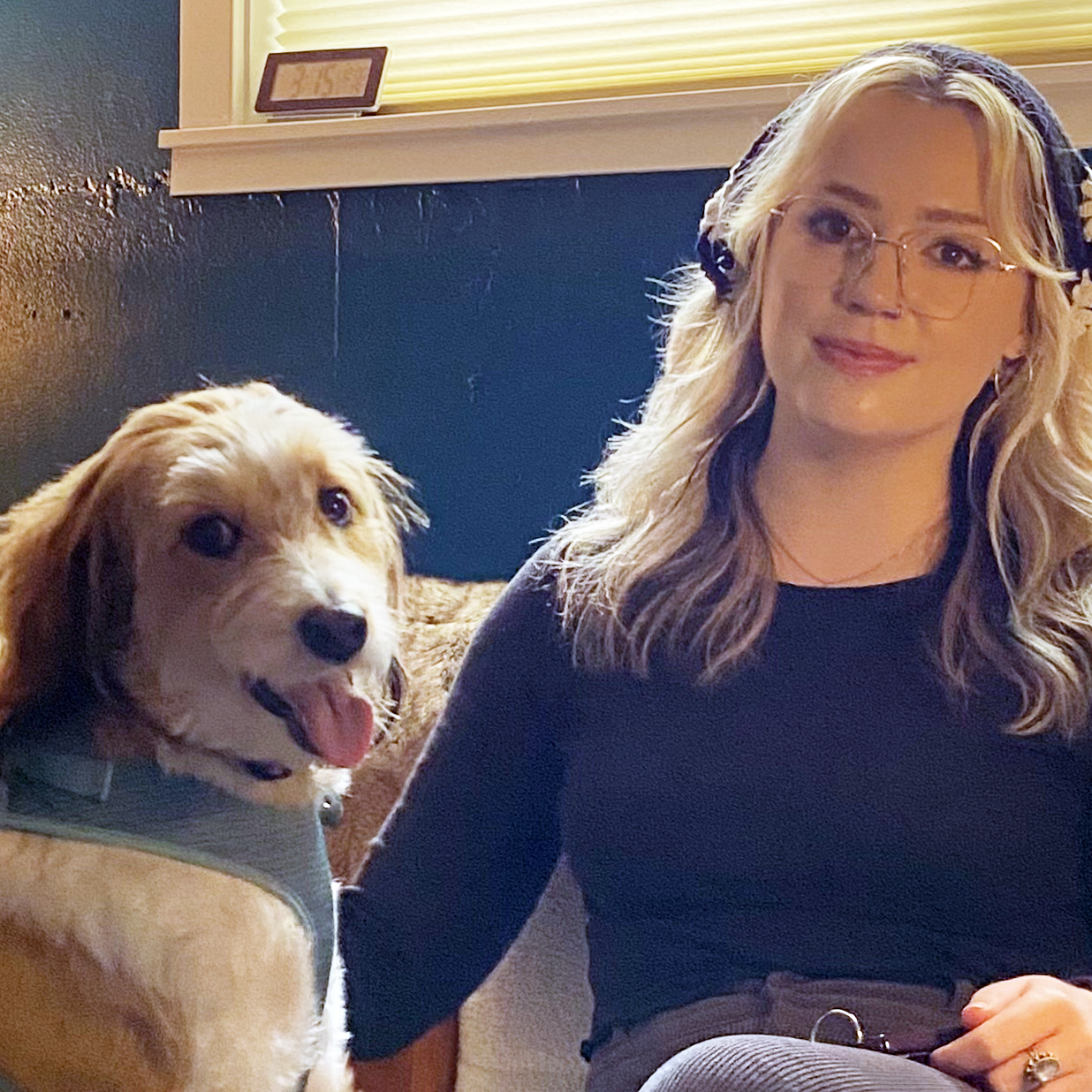
Finally, I also enjoy reading, writing, drawing, and spending time with my family and our adorable puppy.
Ready to Begin Your Healing Journey?
I am currently on leave, but I will be accepting new clients for individual therapy in Portland, Vancouver, and via telehealth throughout Oregon and Washington starting in February of 2026. Whether you're an athlete struggling with food and performance, dealing with trauma, or seeking freedom from an eating disorder, I'm here to support you with empathy and compassion.