We use cookies to analyze website traffic and improve your experience. By clicking "Accept," you consent to our use of cookies for analytics purposes.
Learn more in our Privacy Notice
Are You Struggling With Food, Body Image, or Eating Disorders?
You work hard, care deeply, and want to live your life fully—but when it comes to food and your body, you feel stuck. Maybe you're a student, a professional, a parent, or someone exploring your identity. No matter who you are, feeling trapped in cycles of dieting, guilt, or self-criticism can be overwhelming.
Licensed Therapists
LPC, LMHC, LCSW
HAES Approach
Health At Every Size
LGBTQIA+ Affirming
Inclusive Care
Virtual & In-Person
Flexible Options
Insurance Accepted
Verify Coverage
You Are Not Alone
Eating disorders and body image struggles can affect anyone—adolescents, adults, and people of all gender identities and backgrounds, including those in the LGBTQiA+ community. Your experiences and challenges are valid and deserve compassionate support.

How We Can Help
Break Free from Cycles
Break free from cycles of dieting, shame, and self-criticism
Heal Deeper Wounds
Heal deeper emotional wounds from childhood, society, or identity struggles
Trust Your Body
Learn to trust your body in an environment that celebrates who you are
Take the first step toward real freedom and healing.
Get Started Today



If Your Hunger Could Talk
By Anne Cuthbert MA, LPC, LMHC
In order to make permanent changes you need to get to the root of the problem and find healthier ways to meet your needs. In the end, counseling will help you overcome your problems with food and how you feel about your body.
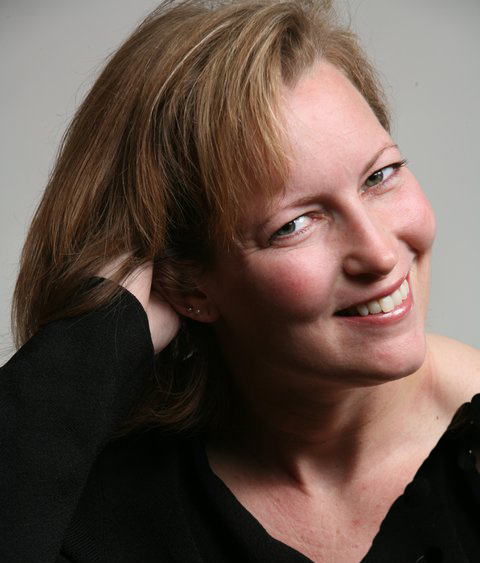
Leading expert in eating disorders with over 25 years of experience helping people heal their relationship with food
"I know first hand what it is like to deal with food and body issues. For years, I struggled with food issues and hating my body. I compared myself to every woman I saw and resisted exercising refusing to give into what other people told me I should do and how I should look. I ate to hide how I was feeling and to avoid being close to anyone. I thought I couldn't be loved if I was fat."
Available on Amazon in Paperback or Kindle
Buy on Amazon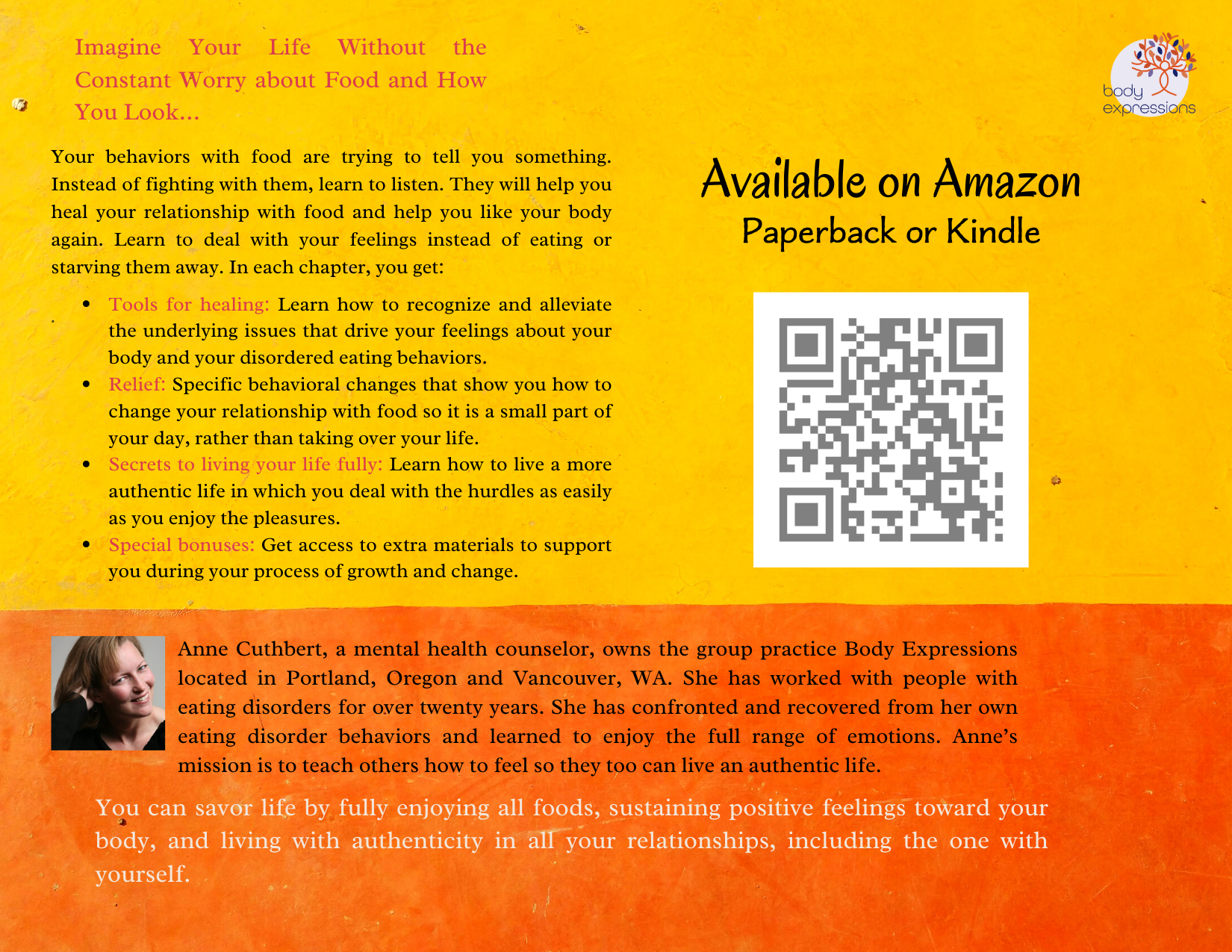
Loveable At Any Size
3-Day Intensive Workshop
Join us for a transformative three-day intensive workshop designed to help you embrace body acceptance, challenge societal norms, and cultivate a loving relationship with yourself at any size.
Conditions We Treat
Beyond Eating Recovery specializes in treating a full spectrum of eating disorders and related concerns. Click each condition below to learn more, or visit our comprehensive Conditions Hub.
View All Conditions in Our Conditions Hub →Understanding Eating Disorders
Eating disorders are complex mental health conditions that affect millions of people. At Beyond Eating Recovery, we provide compassionate, evidence-based treatment for the full spectrum of eating disorders. Our approach is HAES®-aligned, weight-neutral, and trauma-informed. Explore the specific conditions we treat below, or visit our comprehensive Conditions Hub to learn more about our philosophy and treatment approach.
Visit Our Conditions Hub →Anorexia Nervosa
Anorexia nervosa is characterized by food restriction, intense fear of weight gain, and distorted body image. It affects individuals across all genders, ages, and body sizes—including those in larger bodies (atypical anorexia). Our treatment focuses on stabilizing eating patterns, healing body image, and addressing underlying trauma using a weight-neutral approach.
Learn More About Anorexia Nervosa →Bulimia Nervosa
Bulimia nervosa involves cycles of binge eating followed by compensatory behaviors such as purging, excessive exercise, or fasting. It often develops from restrictive dieting and is maintained by shame and secrecy. We help clients break the binge-purge cycle, challenge food rules, and heal the emotional wounds driving the disorder.
Learn More About Bulimia Nervosa →Binge Eating Disorder
Binge eating disorder (BED) is the most common eating disorder, characterized by recurrent episodes of eating large amounts of food with a sense of loss of control. Unlike bulimia, there are no regular compensatory behaviors. Our treatment helps clients understand emotional triggers, develop healthier coping mechanisms, and heal their relationship with food without shame or restriction.
Learn More About Binge Eating Disorder →Atypical Anorexia Nervosa
Atypical anorexia involves all the symptoms of anorexia nervosa—food restriction, intense fear of weight gain, distorted body image—except the person is not underweight. This diagnosis is often missed due to weight bias, but the medical and psychological severity is just as serious. We provide affirming, weight-neutral care that takes every eating disorder seriously, regardless of body size.
Learn More About Atypical Anorexia →ARFID (Avoidant/Restrictive Food Intake Disorder)
ARFID involves restrictive eating not driven by body image concerns, but by sensory sensitivities, fear of aversive consequences (like choking), or lack of interest in food. It affects children, teens, and adults, and can lead to nutritional deficiencies and social isolation. Our treatment addresses the specific fears and sensory challenges underlying ARFID with compassion and practical strategies.
Learn More About ARFID →OSFED (Other Specified Feeding or Eating Disorder)
OSFED encompasses eating disorders that don't meet full diagnostic criteria for anorexia, bulimia, or BED, but are still serious and deserving of treatment. Subtypes include atypical anorexia, subthreshold bulimia and BED, purging disorder, and night eating syndrome. We provide comprehensive treatment for all OSFED presentations.
Learn More About OSFED →Orthorexia
Orthorexia involves an obsession with "clean" or "healthy" eating that becomes rigid, anxiety-provoking, and life-limiting. Often fueled by wellness culture and diet culture in disguise, orthorexia can lead to nutritional deficiencies, social isolation, and severe anxiety. Our treatment helps clients challenge food rules, restore dietary flexibility, and heal their relationship with food and their bodies.
Learn More About Orthorexia →Disordered Eating
Disordered eating includes a range of irregular eating behaviors and attitudes about food, weight, and body image that don't meet full diagnostic criteria for an eating disorder but still cause distress and impairment. It's extremely common in our diet-obsessed culture. We help clients recognize these patterns, understand their emotional roots, and develop a healthier relationship with food and body.
Learn More About Disordered Eating →Emotional Eating / Compulsive Overeating
Emotional eating involves using food to cope with difficult emotions rather than physical hunger. It's often rooted in the restrict-binge cycle created by dieting. Our treatment helps clients understand the emotional triggers behind eating, develop alternative coping strategies, and learn to respond to true hunger and fullness cues. We also offer our specialized Battle of the Binge program for those seeking structured support.
Learn More About Emotional Eating →Body Dysmorphia (Body Dysmorphic Disorder)
Body dysmorphic disorder (BDD) involves obsessive preoccupation with perceived flaws in appearance that are minor or not observable to others. It can include muscle dysmorphia and often co-occurs with eating disorders. The distress and time spent fixating on appearance can be debilitating. Our treatment helps clients challenge distorted beliefs, reduce compulsive behaviors, and build self-compassion.
Learn More About Body Dysmorphia →Exercise Addiction / Compulsive Exercise
Compulsive exercise involves exercising excessively despite injury, illness, or life interference, often driven by rigid rules, guilt, or body image concerns. It's common in eating disorders and can lead to Relative Energy Deficiency in Sport (RED-S). Our treatment helps clients develop a balanced relationship with movement, challenge rigid exercise rules, and address the underlying emotional drivers.
Learn More About Exercise Addiction →Co-Occurring Mental Health Issues
Eating disorders frequently co-occur with other mental health conditions including depression, anxiety, PTSD, substance use disorders, borderline personality disorder, ADHD, and self-harm. These co-occurring issues can complicate treatment and recovery. Our integrated approach addresses both the eating disorder and co-occurring conditions simultaneously for more comprehensive healing.
Learn More About Co-Occurring Issues →Eating Disorders in Men
Eating disorders affect people of all genders, yet men and gender-diverse individuals are often underdiagnosed due to the stereotype that eating disorders only affect women. Men may present with muscle dysmorphia, compulsive exercise, and steroid use. Our gender-affirming treatment recognizes the unique challenges men face, including masculine norms and barriers to seeking help.
Learn More About Eating Disorders in Men →Eating Disorders in LGBTQIA+ Individuals
LGBTQIA+ individuals experience disproportionately high rates of eating disorders due to minority stress, discrimination, and body image pressures. Gender dysphoria, community body standards, and intersectional identities all play a role. Our affirming practice offers specialized LGBTQIA+ group therapy and individual treatment that honors your identity and experiences.
Learn More About Eating Disorders in LGBTQIA+ →Eating Disorders in Athletes
Athletes face unique pressures around body composition, performance, and weight that can contribute to eating disorders. Sport culture often normalizes disordered eating, and Relative Energy Deficiency in Sport (RED-S) can have serious consequences. Our treatment helps athletes heal their relationship with food and body while supporting safe return-to-sport protocols when appropriate.
Learn More About Eating Disorders in Athletes →
Ready to Begin Your Recovery Journey?
We understand that reaching out can feel overwhelming — and that's okay. Our compassionate team meets you exactly where you are, without judgment. Whether you're just beginning to explore your relationship with food or you've been navigating these struggles for years, you deserve thoughtful, individualized support. Recovery looks different for everyone, and we're here to walk alongside you at your own pace. Schedule a free consultation to take that first step.
No insurance? We offer sliding scale fees and payment plans.