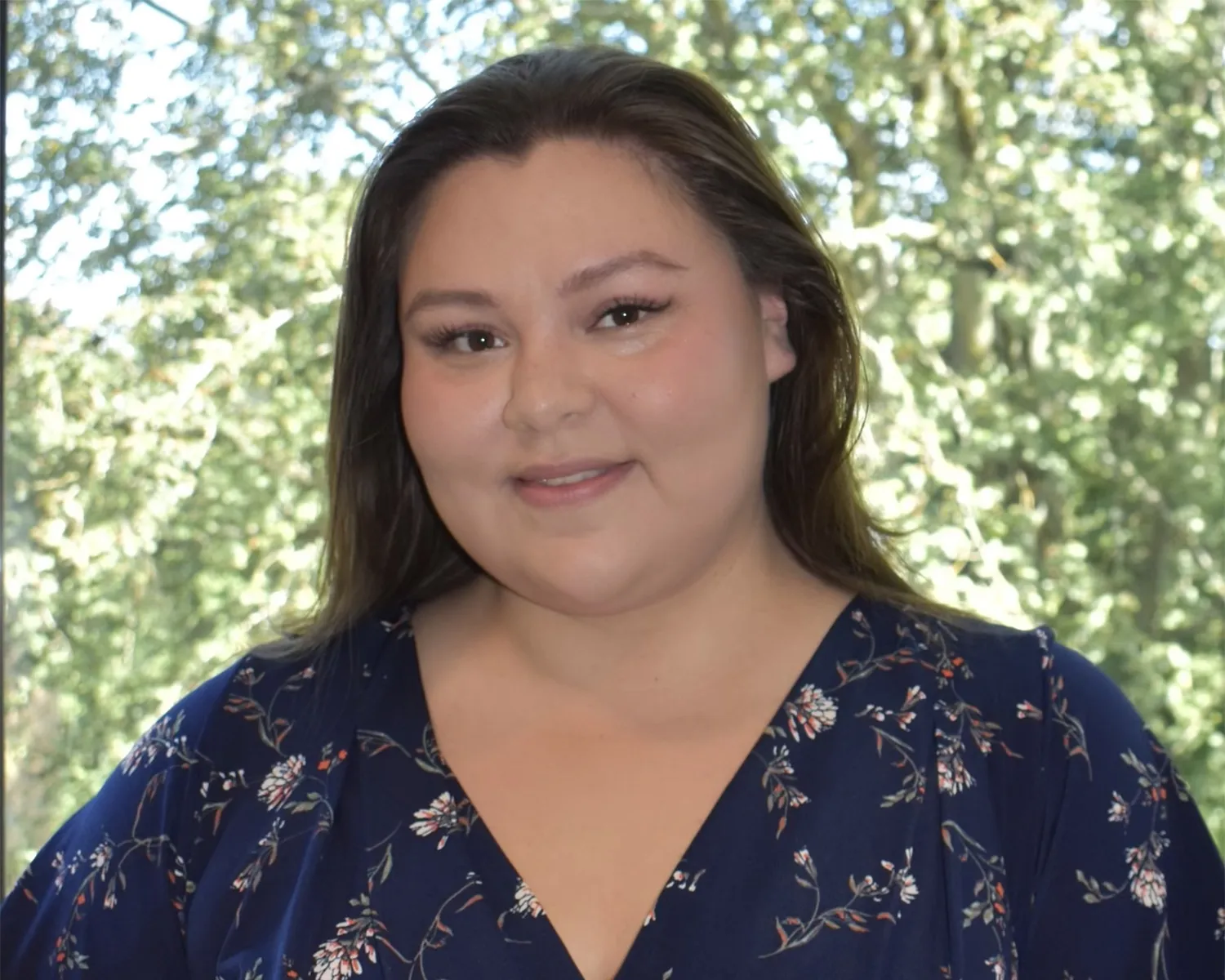
Rachel Bennett, MA
QMHP-A Therapist | Professional Counselor Associate (OR) | Mental Health Counselor Associate (WA)
I'm passionate about helping you realign with your purpose, values, and self-acceptance. Drawing from my own eating disorder recovery journey, I provide a person-centered approach that meets you wherever you are in your healing journey. My main focus is providing a safe space for everyone who enters my room. I'm excited to begin this journey to empowerment with you.
Credentials & Professional Background
Education
- Master of Arts in Applied Psychological Program
- Pacific University
- Bachelor of Science in Psychology (cum laude)
- Portland State University
- Minor: Community Health Education
- Registered Therapy Associate
Licenses & Certifications
- QMHP-A (Qualified Mental Health Professional - Adult) - Oregon
- Professional Counselor Associate - Oregon
- Mental Health Counselor Associate - Washington
- Supervised by Anne Cuthbert, MA, LPC, LMHC
- Working toward full licensure (LPC/LMHC)
Specialized Experience
- Eating disorder treatment
- Mindful movement and education courses for college students
- Neurodivergent populations
- Community health education
- Personal recovery experience
- Religious trauma
- LGBTQIA+ Identity
With lived experience in eating disorder recovery and extensive training in multiple evidence-based modalities, I bring both personal understanding and professional expertise to every client I serve.
My Treatment Approach
I strive to provide an eclectic, tailored, and strength-based treatment experience. My approach is informed by multiple evidence-based modalities—including Internal Family Systems (IFS), Cognitive Behavioral Therapy (CBT), Emotion Focused Therapy (EFT), and Acceptance and Commitment Therapy (ACT)—all delivered through a person-centered lens that honors where you are in your unique healing journey.
Therapeutic Modalities
Core Frameworks
My Philosophy: However therapeutic approaches are important, my main focus is providing a safe space for everyone who enters my room. You'll never feel judged for your body, your identities, your struggles, or where you are in your journey.
Clinical Specializations
Eating Disorders & Body Image
- • Anorexia Nervosa
- • Bulimia Nervosa
- • Binge Eating Disorder
- • ARFID
- • Orthorexia
- • Body dysmorphia
- • Athlete populations
- • Chronic dieting recovery
- • Body positive practices
Identity & Self-Exploration
- • Identity development
- • Self-acceptance journey
- • Values clarification
- • Purpose realignment
- • LGBTQIA+ identity affirmation
- • Religious trauma
- • College-age transitions
- • Emerging adulthood
Emotional & Cognitive Work
- • Anxiety disorders
- • Depression
- • Perfectionism
- • Self-esteem issues
- • Cognitive distortions
- • Emotional regulation
- • Mindfulness skills
Neurodiversity & Community Health
- • Autism spectrum support
- • Neurodivergent-affirming care
- • Community health needs
- • College student wellness
- • Group facilitation
- • Prevention education
An Eclectic, Tailored Approach
Drawing from Multiple Evidence-Based Modalities
I don't believe in one-size-fits-all therapy. Instead, I integrate multiple therapeutic approaches to create a treatment experience uniquely suited to you. My eclectic approach means we use what works for you, when you need it—always tailored to your specific needs and goals.
Internal Family Systems (IFS)
IFS recognizes that we all have different 'parts'—the critical voice, the protector, the vulnerable child within. Eating disorders often involve parts trying to protect you in ways that ultimately cause harm.
In IFS work, we'll:
- • Identify the different parts of you (the eating disorder voice, the perfectionist, the wounded self)
- • Understand what each part is trying to do for you
- • Help parts communicate with each other
- • Access your 'Self' (the wise, compassionate core of who you are)
- • Unburden parts carrying old wounds
- • Integrate all parts into a harmonious internal system
IFS is especially powerful for eating disorders because it doesn't vilify the eating disorder—it helps you understand what it's been trying to protect you from.
Cognitive Behavioral Therapy (CBT)
CBT helps us identify and challenge the thought patterns that maintain eating disorder behaviors. It's practical, skill-focused, and evidence-based.
CBT techniques we might use:
- • Identifying cognitive distortions (all-or-nothing thinking, catastrophizing, emotional reasoning)
- • Challenging negative automatic thoughts about food, weight, and body
- • Behavioral experiments to test beliefs
- • Exposure work for feared foods or situations
- • Structured meal planning and normalization
- • Relapse prevention skills
CBT provides concrete tools you can use between sessions and beyond therapy—practical strategies that create real change.
Emotion Focused Therapy (EFT)
EFT recognizes that eating disorder behaviors often serve as emotional management strategies. We'll work with emotions directly—not just talk about them.
EFT helps you:
- • Identify and name emotions with nuance
- • Understand primary emotions (the real feelings underneath)
- • Distinguish between adaptive and maladaptive emotions
- • Access emotional experiences safely in session
- • Transform painful emotional patterns
- • Develop healthier ways to process feelings
- • Build emotional resilience
Many people discover that their eating disorder has been attempting to manage emotions they didn't know how to handle. EFT gives you new options—healthier ways to meet your emotional needs.
Acceptance and Commitment Therapy (ACT)
ACT focuses on building psychological flexibility—the ability to stay present, open up to difficult experiences, and take action aligned with your values.
ACT principles we'll explore:
- • Acceptance: Making room for difficult thoughts and feelings without fighting them
- • Cognitive defusion: Creating distance from unhelpful thoughts (they're just thoughts, not facts)
- • Present moment awareness: Mindfulness and grounding practices
- • Self-as-context: You are not your thoughts, feelings, or eating disorder
- • Values clarification: What matters most to you? What kind of life do you want?
- • Committed action: Taking steps toward your values even when it's hard
ACT is about realigning with your purpose and values—building a life so fulfilling that the eating disorder becomes irrelevant.
Why An Eclectic Approach Works:Different challenges require different tools. Some days you might need CBT skills to challenge a thought. Other days, you might need IFS work to understand a protective part. Sometimes you need EFT to process an emotion, or ACT to reconnect with your values.
I'll draw from these modalities flexibly based on what you need in the moment—always tailored to you, always strength-based, always meeting you where you are.
A Personal Note on Recovery
Stemming from my personal experience with eating disorder recovery, I bring both clinical training and lived understanding to our work together. I know what it's like to struggle—the internal battles, the shame, the exhaustion of fighting with food every day.
My recovery journey has profoundly shaped how I practice therapy. I understand that recovery isn't linear, and it doesn't look the same for everyone. I know the courage it takes to seek help, the vulnerability of trusting someone with your story, and the patience required to heal.
What my recovery experience brings to our work together:
I won't sugarcoat the difficulty—recovery takes real courage and commitment. But I also won't let you lose hope. I've walked this path, and I believe deeply in your capacity to heal.
I understand the nuances that textbooks miss—the social anxiety around meals, the grief of letting go of the eating disorder identity, the complexity of wanting recovery while also feeling terrified of it.
Most importantly, I know that recovery is possible. Not just managing symptoms, but genuine freedom—the kind where you can eat without calculating, exist in your body without constant criticism, and build a life aligned with your true purpose and values.
I'm excited to begin this journey to empowerment with you. Your recovery is yours to define, and I'm honored to walk alongside you as you discover what freedom and self-acceptance mean to you.
— Rachel
Body Positivity & Affirmative Care
Embracing and Exploring Your Authentic Identity
I adhere to Health At Every Size (HAES) and Affirmative Therapy models to aid my clients in embracing and exploring their identities. Whether you're navigating body image, gender identity, sexual orientation, or other aspects of who you are, I'm committed to providing affirming, nonjudgmental support.
Body Positivity in Action
My experience conducting body positive activities for college students has equipped me with practical, engaging approaches to challenge diet culture and build body acceptance.
Body positive work includes:
- • Challenging internalized fatphobia and weight stigma
- • Exploring social media's impact on body image
- • Developing body neutrality or body respect (not everyone needs to 'love' their body)
- • Identifying and resisting diet culture messages
- • Building body trust and interoceptive awareness
- • Joyful movement exploration (exercise divorced from punishment)
- • Clothing and style as self-expression
- • Navigating social situations with body confidence
HAES Principles:
I practice from a weight-neutral stance. You will never be weighed unnecessarily, receive diet advice, or be told your body needs to change. All bodies deserve respect, care, and dignity.
Affirmative & Identity-Supportive Care
Affirmative Therapy is an inclusive, strengths-based approach that validates and supports diverse identities—especially LGBTQIA+ identities.
In affirmative practice, I:
- • Affirm your gender identity, sexual orientation, and other identities
- • Use your correct pronouns and chosen name
- • Understand that your identities are not pathological
- • Explore how identity intersects with eating disorders
- • Address minority stress and discrimination impacts
- • Support identity exploration without pressure to 'figure it all out'
- • Challenge heteronormative and cisnormative assumptions
- • Create safety for questioning and fluidity
Identity Exploration:
Whether you're exploring sexual orientation, gender identity, relationship structures, or other aspects of who you are, I provide a safe, affirming space to question, discover, and embrace your authentic self.
Your identities are not separate from your eating disorder recovery—they're integral to understanding your full story and realigning with your purpose and values.
Safe Space Commitment:My main focus is providing a safe space for everyone who enters my room. You won't be judged for your body, your identities, your struggles, or where you are in your journey. Safety means you can show up as your full self—all parts welcomed.
What to Expect in Sessions
Your First Appointment
We'll explore what brings you to therapy, your goals, and your story. I'll learn about your identities, values, and what matters most to you. This is a collaborative conversation where we begin building trust and creating your personalized treatment plan—tailored specifically to you.
Regular Therapy
Sessions are typically 50-60 minutes, weekly or bi-weekly. I'll draw from multiple therapeutic approaches (IFS, CBT, EFT, ACT) based on what you need. Therapy is flexible, strength-based, and always at your pace.
Creating Safety
I'm warm, nonjudgmental, and genuinely invested in your empowerment. You'll never feel rushed, pressured, or shamed. My goal is for you to leave each session feeling more aligned with yourself—even if the work was difficult.
Beyond the Clinical
I've lived in multiple states across the country, but the Pacific Northwest feels most like home. There's something about the misty mornings, the evergreen forests, and the creative spirit of this region that resonates deeply with me. Portland's embrace of authenticity and individuality has been healing in its own right.
Outside of therapy, I'm an avid lover of music—especially classic rock and metal. There's something about the raw energy and powerful guitar riffs that speaks to me. You might hear me reference song lyrics in session (fair warning!).
I'm also drawn to all things spooky—horror movies, true crime podcasts, Halloween year-round vibes. I think there's something cathartic about exploring fear in controlled contexts, and honestly, the 'spooky' aesthetic feels like home to me.
Art in all its forms speaks to me. I write poetry as a way to process my own experiences and emotions. I believe creativity is a vital part of healing—whether that's writing, drawing, music, fashion, or any other form of self-expression. We might even incorporate creative exercises into our work together if that resonates with you.
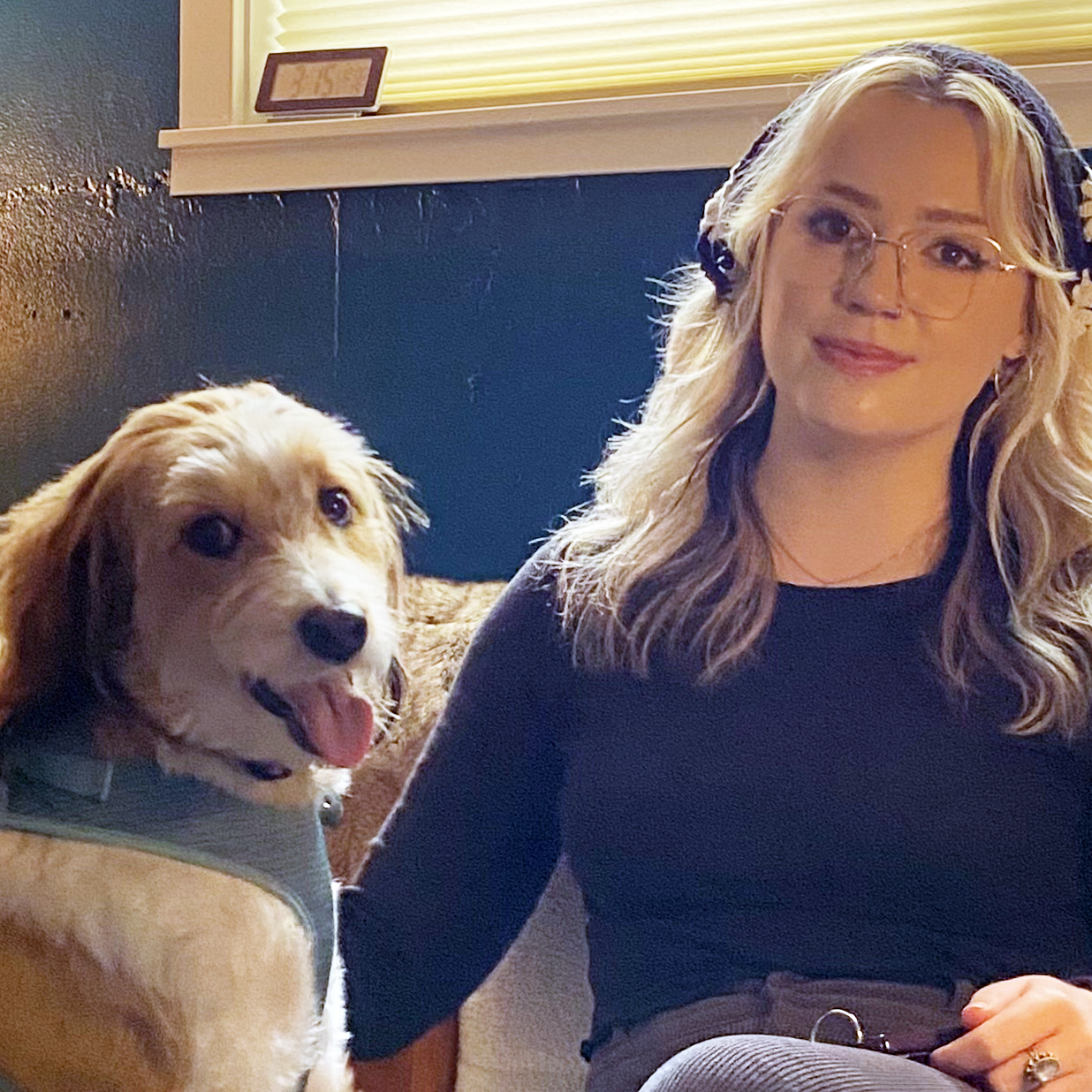
I have a dog named Tilly Willy who is basically my child and brings endless joy and comedic relief to my life. And I'm always on the hunt for new restaurants to try—food should be pleasurable, social, and fun, which is something I hope to help my clients rediscover.
I share these personal details because I want you to see me as a whole person, not just a clinician. Therapy works best when there's genuine human connection, and I bring my authentic self into the room—quirks, interests, and all.
I'm excited to begin this journey to empowerment with you. 🌙✨
Ready to Start Your Journey to Empowerment?
I'm currently accepting new clients for individual therapy in Portland and via telehealth throughout Oregon and Washington. Whether you're struggling with an eating disorder, exploring your identity, seeking body acceptance, or realigning with your purpose and values, I'm here to create a safe space for your healing.
Email: [email address] | Portland, OR & Vancouver, WA | Telehealth: OR & WA